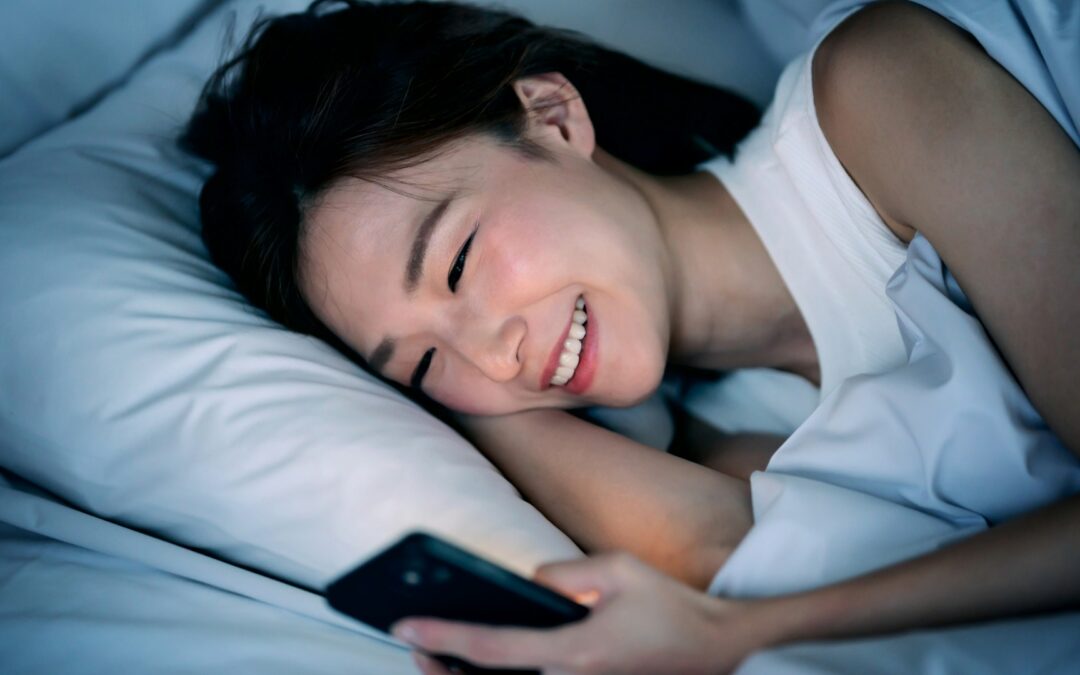
We live in a world that never sleeps — and neither do our screens. From scrolling through social media at night to late-night emails and binge-watching TV shows, exposure to blue light has become part of our daily routine. But have you ever noticed that after a late-night screen session, falling asleep feels harder?
The culprit is often blue light — a high-energy visible light emitted by phones, tablets, laptops, and LED lights — which can interfere with your body’s natural sleep cycle. Let’s dive into the science behind blue light, melatonin, and how you can protect your sleep.
What Is Blue Light?
Blue light is a type of light with a short wavelength that produces higher amounts of energy. It’s everywhere:
-
Sunlight (good in the daytime!)
-
Phone, tablet, and computer screens
-
LED and fluorescent lighting
During the day, blue light is beneficial — it helps boost alertness, mood, and cognitive function. But at night, it can disrupt the body’s natural rhythm.
How Blue Light Affects Sleep
Your body has an internal clock called the circadian rhythm, which regulates sleep and wake cycles. Melatonin, the “sleep hormone,” signals your body that it’s time to rest.
Exposure to blue light at night can:
-
Suppress melatonin production, making it harder to fall asleep.
-
Delay your sleep cycle, meaning you go to bed later than planned.
-
Reduce REM sleep, the restorative phase that supports memory and emotional health.
In short, blue light can trick your brain into thinking it’s daytime — even when it’s 2 AM — making restful sleep harder to achieve.
Sources of Blue Light
While sunlight is the primary source, many artificial sources impact sleep:
-
Smartphones and tablets
-
Computer screens
-
TVs
-
LED light bulbs
-
E-readers
Even small exposures — like checking your phone before bed — can influence melatonin levels and sleep quality.
Tips to Protect Your Sleep from Blue Light
You don’t have to quit screens entirely — but some strategies can help:
1. Limit Screen Time Before Bed
Try to avoid screens for 1–2 hours before sleep. Instead, opt for calming activities like reading a physical book, journaling, or gentle stretching.
2. Use Night Mode or Blue Light Filters
Most smartphones, tablets, and computers have a “night mode” or “blue light filter” that reduces exposure. While not perfect, it helps reduce melatonin suppression.
3. Dim the Lights in Your Home
Switch to warm, soft lighting in the evening. Avoid bright LED or fluorescent lights near bedtime.
4. Consider Blue Light Blocking Glasses
These special lenses filter out blue light and can be particularly helpful if you must work on screens late at night.
5. Prioritize Morning Sunlight
Getting natural sunlight early in the day helps reinforce your circadian rhythm and improves melatonin production at night.
6. Try Sleep Meditation
Visit the the Tranquili Youtube Channel for a variety sleep meditations. You can just close your eyes and listen. Here’s an example:
The Bottom Line
Blue light isn’t inherently “bad” — it’s essential for daytime alertness and focus. But excess evening exposure can interfere with melatonin, disrupt sleep, and leave you feeling groggy and unrested.
By understanding how blue light affects your body and taking steps to reduce exposure at night, you can protect your sleep, improve your energy, and support long-term health.
Remember: sometimes the best thing you can do for your body and mind is to turn off the screens and let your natural sleep cycle do its work.